
.png)
.png)
.png)
 Upload Prescription
.png)
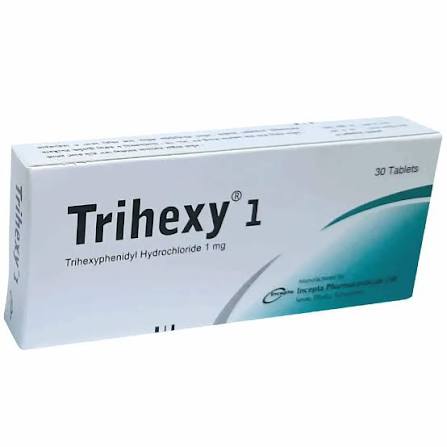
1 strip = 10
Incepta Pharmaceuticals Ltd.Product Description
Trihexy (Trihexyphenidyl): Trihexy is an antiparkinsonian anticholinergic (muscarinic receptor antagonist) indicated as an adjunct in the treatment of all forms of Parkinsonism (idiopathic, postencephalitic, and arteriosclerotic), either alone or in combination with levodopa. It is also used to control drug-induced extrapyramidal symptoms (EPS) caused by antipsychotic drugs such as phenothiazines, thioxanthenes, butyrophenones, and dibenzoxazepines. It works by blocking central muscarinic (mainly M1) receptors, reducing cholinergic activity and indirectly enhancing dopamine activity in the brain, thereby improving tremor, rigidity, and other movement disorders. The dose should be individualized and increased gradually; the usual dose is 6–10 mg/day for idiopathic Parkinsonism (may require 12–15 mg/day in some patients), 5–15 mg/day for drug-induced Parkinsonism, and 3–6 mg/day when used with levodopa. The daily dose is usually divided into 3 doses with meals, while doses >10 mg/day may be divided into 4 doses. Abrupt discontinuation should be avoided because it may worsen Parkinsonism or precipitate neuroleptic malignant syndrome (NMS). Trihexy may interact with alcohol, cannabinoids, barbiturates, opioids, other CNS depressants, tricyclic antidepressants, MAO inhibitors, neuroleptics, and levodopa, increasing sedation, anticholinergic effects, or involuntary movements. It is contraindicated in patients with hypersensitivity to trihexyphenidyl and narrow-angle glaucoma. Common adverse effects include dry mouth, blurred vision, dizziness, nausea, constipation, drowsiness, urinary retention, tachycardia, confusion, memory impairment, headache, and increased intraocular pressure, while rare but serious effects include hallucinations, delusions, psychosis, paralytic ileus, angle-closure glaucoma, and neuroleptic malignant syndrome. It should be used with caution in patients with glaucoma, hot environments (risk of anhidrosis and hyperthermia), elderly patients, and those with CNS disorders, with regular monitoring of intraocular pressure. During pregnancy and breastfeeding, it should be used only if the expected benefit outweighs the potential risk, as it may suppress lactation. In overdose, patients may develop anticholinergic toxicity (e.g., dilated pupils, dry skin, tachycardia, urinary retention, delirium, hallucinations, seizures, coma), requiring supportive and symptomatic treatment. Trihexy should be stored at temperatures below 30°C, in a dry place, protected from light.
Similar Products
.jpg)
.jpg)

Previously Browsed Items





Copyright © 2026 | Saf1AidRx | All rights reserved