
.png)
.png)
.png)
 Upload Prescription
.png)
.jfif)
1 strip = 10 Capsules
Square Pharmaceuticals PLCProduct Description
Introduction
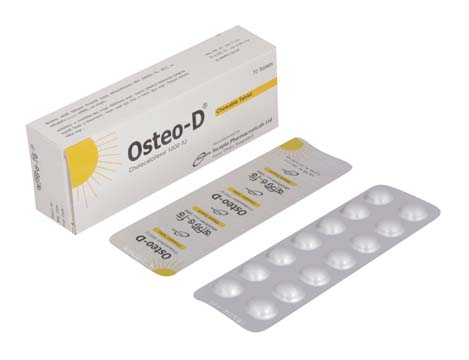
Colecalciferol (Vitamin D3) is used for the treatment and prevention of vitamin D deficiency and related bone disorders. It is indicated in conditions such as osteoporosis, hypoparathyroidism, rickets, osteomalacia, pseudohypoparathyroidism, and familial hypophosphatemia.
Administration
May be taken with or without food.
Adult Dose
Oral / IM:
For nutritional deficiency: 200–400 IU (5–10 mcg or 1–2 ml) once daily.
For osteoporosis prevention and treatment (>50 years): 800–1000 IU (20–25 mcg) once daily with calcium supplements; may also be given by intramuscular injection.
For hypoparathyroidism: 50,000–200,000 IU (0.625–5 mg) once daily with calcium supplements; may also be given by intramuscular injection.
Child Dose
For nutritional supplementation:
0–12 months: 400 IU (10 mcg) once daily
1–18 years: 600 IU (15 mcg) once daily
For vitamin D–resistant rickets: 12,000–500,000 IU (0.3–12.5 mg) once daily.
For familial hypophosphatemia: 40,000–80,000 IU (1–2 mg) once daily with phosphate supplements; dose may be reduced after growth is complete.
Contraindication
Colecalciferol is contraindicated in patients with hypercalcemia, vitamin D toxicity, or known hypersensitivity to vitamin D or any of its components or excipients.
Mode of Action
Vitamin D3 is a fat-soluble sterol that regulates calcium and phosphate balance in the body and supports bone mineralization. It enhances calcium absorption from the gastrointestinal tract and promotes bone formation and strength.
Precaution
Use with caution in patients with high calcium or phosphate levels, heart disease, or kidney disorders. Adequate calcium and magnesium intake is required during therapy. Low calcium levels stimulate parathyroid hormone release, which helps regulate calcium levels in the body. Vitamin D is excreted in breast milk and should be used cautiously during lactation.
Side Effect
Vitamin D is generally safe and well tolerated. However, excessive intake may cause hypercalcemia or calcium toxicity. Symptoms may include loss of appetite, headache, dry mouth, nausea, vomiting, abdominal pain, and constipation.
Interaction
Risk of hypercalcemia increases with thiazide diuretics, calcium, or phosphate supplements. Antiepileptic drugs such as carbamazepine, phenytoin, phenobarbitone, and primidone may increase vitamin D requirements. Rifampicin and isoniazid may reduce its effectiveness. Corticosteroids may reduce its action. Absorption may be reduced with cholestyramine, colestipol, mineral oil, and orlistat. Caution is required when used with digoxin or ketoconazole.
Similar Products



Previously Browsed Items
.jpg)
.jpg)




Copyright © 2026 | Saf1AidRx | All rights reserved